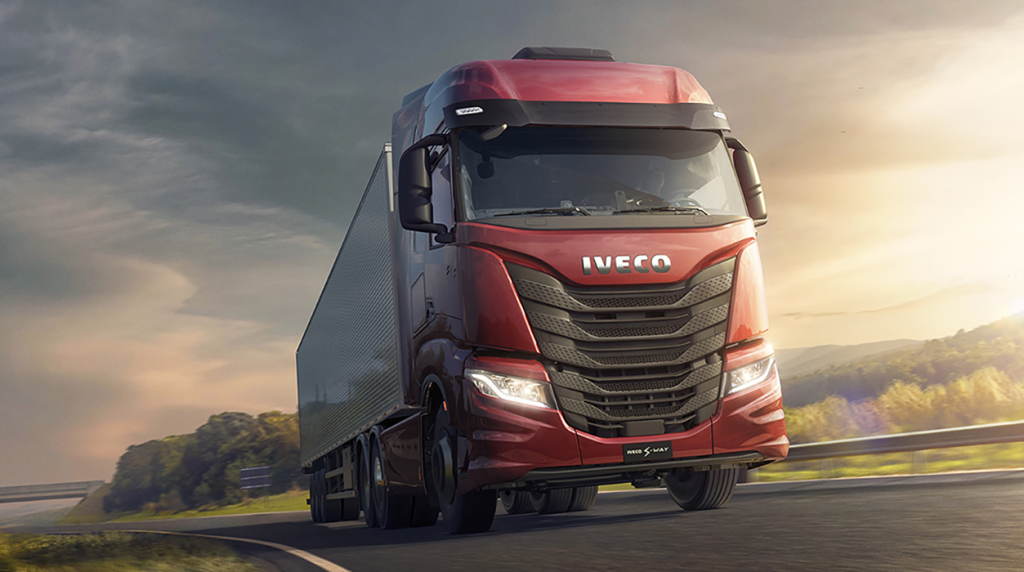

In simple terms, FOOH is a type of video where something appears to happen in a real public space — a building, a landmark, a street — even though nothing happened in real life.
A real scene is filmed, and digital elements in CGI or VFX are added later, creating an intervention that looks real but exists only in the video.
It’s technology, creativity and storytelling working together.
Why is it called “Fake Out of Home”?
The name is a reference to traditional OOH (Out of Home) media — physical billboards, panels and urban advertising.
The difference:
- OOH exists in the real world
- FOOH exists only digitally (but looks real)
That’s why the format has grown so quickly.
It keeps the visual impact of outdoor media but spreads at the speed of social platforms.
How is a FOOH created?
It usually starts with a simple live-action shot: a camera, a phone or a drone.
Then CGI and VFX artists add:
- digital objects
- characters
- environmental effects
- lighting and shadow simulations
- transformations that would be impossible physically
The goal is always the same:
make viewers wonder if what they saw actually happened.
When that doubt appears, FOOH works.
Main types of FOOH
Today, the most common formats are:
1. Live-action + digital intervention
A real scene is filmed and enhanced with CGI. Like the FOOH created in partnership with AlterLabs for JW at The Town. Explore the full case
2. Hybrid with digital twins
The environment is scanned in 3D (often using LIDAR) to allow precise digital interaction.
Like the FOOH we created for JW at Arcos da Lapa. Explore the full case
3. Fully digital FOOH (100% CGI)
No filming. The entire scene — environment and action — is created digitally.
Exactly like we did with FOOH for Badesco.
Why does FOOH go viral so easily?
Because it sparks curiosity.
People rewatch, pause and share.
FOOH creates that familiar moment of doubt — “Is this real…?” — which drives engagement, especially on platforms like TikTok, Reels and Shorts.
Do brands need permission to show buildings or landmarks?
Yes.
Even when the intervention is fully digital, commercial use of:
- private buildings
- landmarks
- cultural sites
- protected architecture
may require rights, licensing or formal approval.
This avoids legal issues and ensures brand safety.
How long does a FOOH take to produce?
In most cases, 10 days to 3 weeks.
But it can be faster when the idea and production pipeline are well aligned.
One real example: the case above of the Striding Man arriving at The Town; the CGI character was created in a week, filming took place on the day of the event, and the final video was published in less than 24 hours.
Yes — it can be very agile.
What do brands usually show in a FOOH?
- giant objects
- characters interacting with real environments
- buildings transforming
- fantastical moments entering everyday life
In short:
something extraordinary happening in a familiar real-world setting — but created digitally.
Want a deeper, more complete explanation of FOOH?
This article is a quick intro.
For a detailed, advanced guide — including pipeline, digital twins, LIDAR, CGI, real cases and award-winning work — read the full MUVA House article:
👉 FOOH: How MUVA House Is Leading the New Era of Digital Advertising